

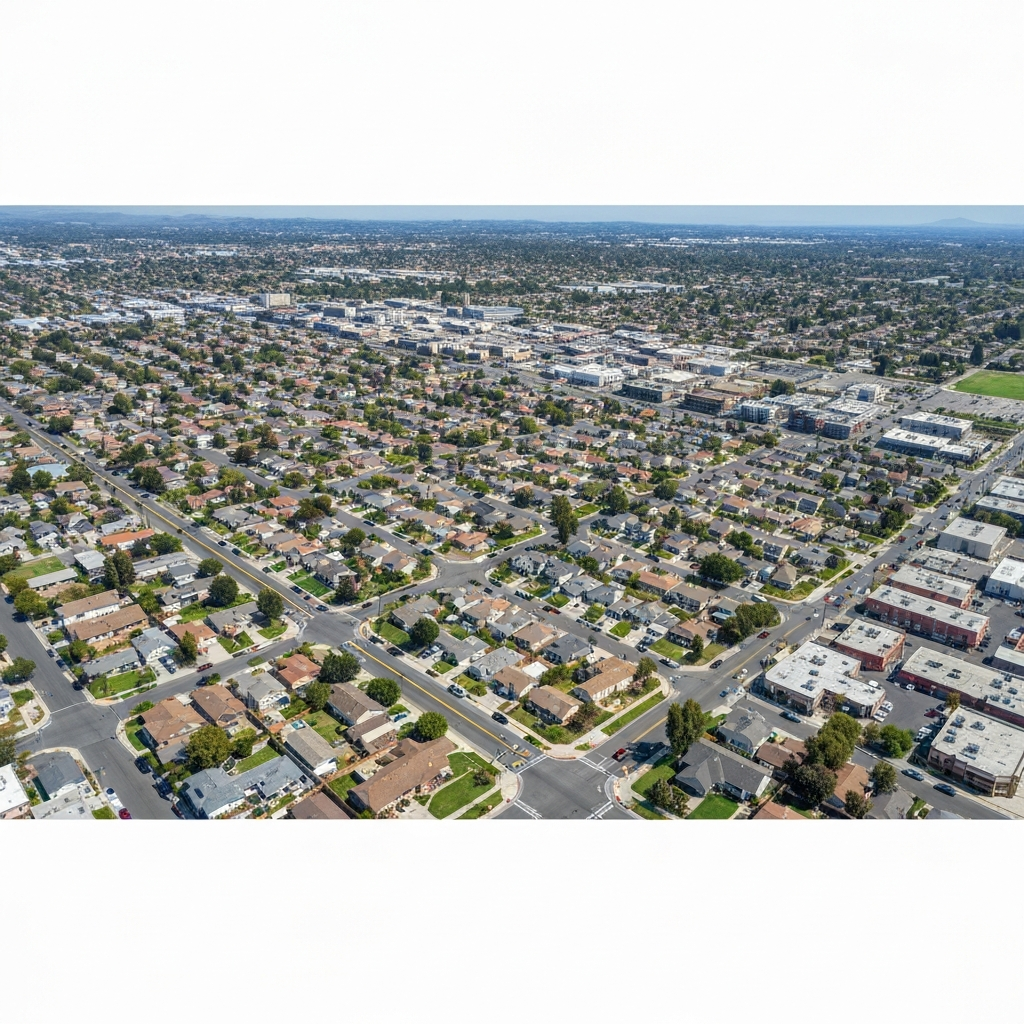
National economic policies, encompassing federal fiscal strategies, trade agreements, and regulatory frameworks, significantly influence local economies across the United States. Fullerton, California, is no exception, experiencing both direct and indirect effects from these overarching policies.
Trade Policies and Local Industries
Federal trade policies, including tariffs and trade agreements, have a profound impact on local industries. For instance, recent tariffs on imported goods have affected manufacturing sectors nationwide. In Fullerton, businesses reliant on imported materials have faced increased costs, potentially leading to higher prices for consumers and adjustments in business operations.
Federal Funding and Local Development
Federal funding programs play a crucial role in local development. The Community Development Block Grant (CDBG) and HOME Investment Partnerships Programs provide essential resources for housing and community projects. Fullerton benefits from these programs, receiving annual grants aimed at improving physical, economic, and social conditions within the community. These funds support affordable housing initiatives and economic development projects, directly impacting residents’ quality of life.
Higher Education and Economic Contributions
National policies affecting higher education funding and research grants have a direct impact on institutions like California State University, Fullerton (CSUF). As a significant employer and economic contributor, CSUF’s operations influence the local economy. According to a report, CSUF’s total economic impact amounts to $828.5 million, supporting approximately 11,679 jobs. Changes in federal education policies or funding levels can therefore have substantial effects on Fullerton’s economic landscape.
Housing Policies and Affordability
Federal housing policies, including interest rates set by the Federal Reserve and housing assistance programs, influence local housing markets. In Fullerton, where the median home value is significantly above the national average, these policies affect affordability and accessibility. For example, higher interest rates can lead to increased mortgage costs, impacting homeownership rates and rental markets within the city.
Employment and Labor Market Dynamics
National labor policies, such as minimum wage laws and employment regulations, shape local labor markets. Fullerton’s unemployment rate stands at 6.5%, higher than the national average of 3.7%. Federal initiatives aimed at job creation and workforce development are crucial in addressing local employment challenges and fostering economic growth.
In conclusion, national economic policies have multifaceted effects on Fullerton’s economy. Understanding these connections is essential for local policymakers, businesses, and residents to navigate the challenges and opportunities presented by federal economic strategies.